Beyond Amenities: Designing Wellness Spaces

IDEA Co-Founder and Chief Brand Officer Jennifer shares what it takes to design a space that improves everyday life.
The Future of Wellness Is More Personal Than Ever
IDEA Co-Founder and Chief Brand Officer Jennifer shares why more amenities don’t necessarily create better wellness and what it takes to design a space that genuinely improves everyday life.
A wellness space can have the most beautiful stone, the newest cold plunge, and a perfectly appointed sauna, and still fall short.
That’s because a collection of amenities isn’t the same thing as a wellness experience.
For Jennifer, IDEA’s Co-Founder and Chief Brand Officer, the difference lies in how a space understands the person using it. Does it feel intuitive? Does every element work together? Does it support the way someone actually wants to live, recover, relax, or connect?
“It’s less about what you install,” she says, “and more about how people actually live in the space.”
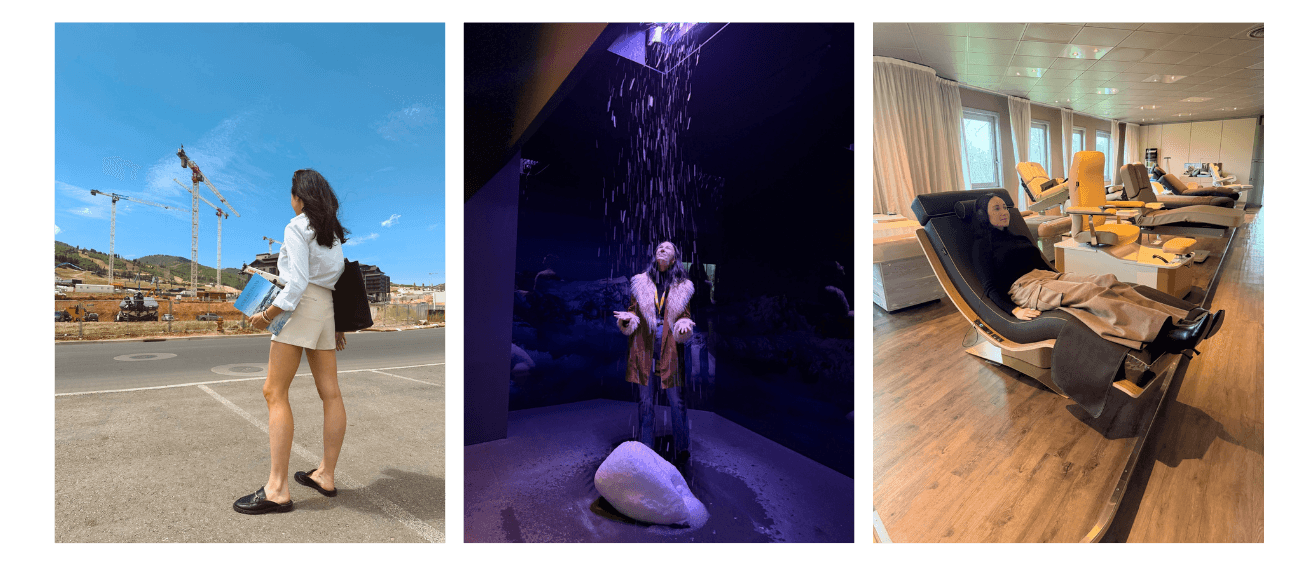
With a background in design and wellness consulting, Jennifer brings that perspective to every IDEA project, from private residential retreats to large-scale commercial environments. Her role begins long before products are selected. It starts with understanding who the space is for and what it needs to help them feel.
Amenities Aren’t the Experience
It’s easy to approach wellness design like a checklist.
Sauna? Check. Steam room? Check. Cold plunge? Check.
But adding more features doesn’t automatically result in a more meaningful experience.
“The real value comes from how those elements work together to support recovery, relaxation, or connection,” Jennifer explains.
A sauna may be beautifully designed, but what happens before and after someone uses it? Is there a clear place to change? Does the path into the cold experience feel natural? Is there somewhere comfortable to rest? Does the sequence support the intended ritual, or does it feel like a group of disconnected rooms?
Those transitions are often what determine whether a space feels considered or confusing.
For IDEA, the experience isn’t created by any single product. It comes from the relationship between every part of the environment.
The Best Design Almost Disappears
Jennifer believes a well-designed wellness space should feel effortless before anyone even begins using it.
“The moment you walk in, you should instinctively know where to go, where to change, and how to begin,” she says. “Great design removes decision fatigue.”
That doesn’t mean the space is simple to create. In fact, the easier it feels to use, the more thought has likely gone into it.
The layout, lighting, materials, circulation, and equipment all need to work together without demanding attention. When they do, people aren’t left wondering which direction to go or what they’re supposed to do next. They can settle into the experience.
The best wellness spaces guide you without saying a word.
“When every detail has been considered, people can focus on themselves instead of figuring out the space.”
Start With the Person, Not the Product
When someone begins planning a sauna, snow room, pool, or cold plunge, the conversation often starts with what they want to install.
Jennifer believes it should begin somewhere else.
“The first question should always be: Why are you building it?”
Is it meant to support athletic recovery? Give a family a place to reconnect? Create a memorable hospitality experience? Help someone establish a daily ritual at home?
The answer changes everything.
A private recovery suite for an athlete should not be approached the same way as a shared spa in a residential development. A family wellness space may be designed to encourage connection, while a hospitality environment needs to intuitively guide guests experiencing it for the first time.
“For us, it starts with asking better questions,” Jennifer says. “How do you want people to feel when they leave? Who is using the space? Is it designed for families, athletes, hotel guests, or homeowners?”
Once those questions are answered, every decision becomes more intentional—including the ones that may seem small.
The temperature of a surface underfoot. The warmth and texture of sauna wood. The softness of the lighting. Aroma in a steam room. Even the sound of moving water.
Individually, they can feel like details. Together, they shape the experience.
“We’re not selecting products. We’re designing around human behavior.”
The best wellness environments engage more than what you can see. They are designed around how someone moves through a space, how it makes them feel, and whether it encourages them to slow down, disconnect, and be present.
That is also why IDEA does not begin with whichever amenity happens to be having a moment.
“Wellness should reflect the people using it, not the latest trend.”
A Beautiful Space Can Still Fail
Wellness spaces are often evaluated first by how they look. But the most visually impressive environment can still be difficult to maintain, uncomfortable to move through, or frustrating to use.
“Many projects prioritize the visual before they consider the operational side,” Jennifer says.
If equipment hasn’t been properly coordinated, access for maintenance is limited, or the layout doesn’t reflect how people naturally move, the experience begins to break down.
These problems are often caused by decisions that were made early… or weren’t made at all.
That’s why IDEA pays as much attention to the systems behind the experience as the finishes people see.
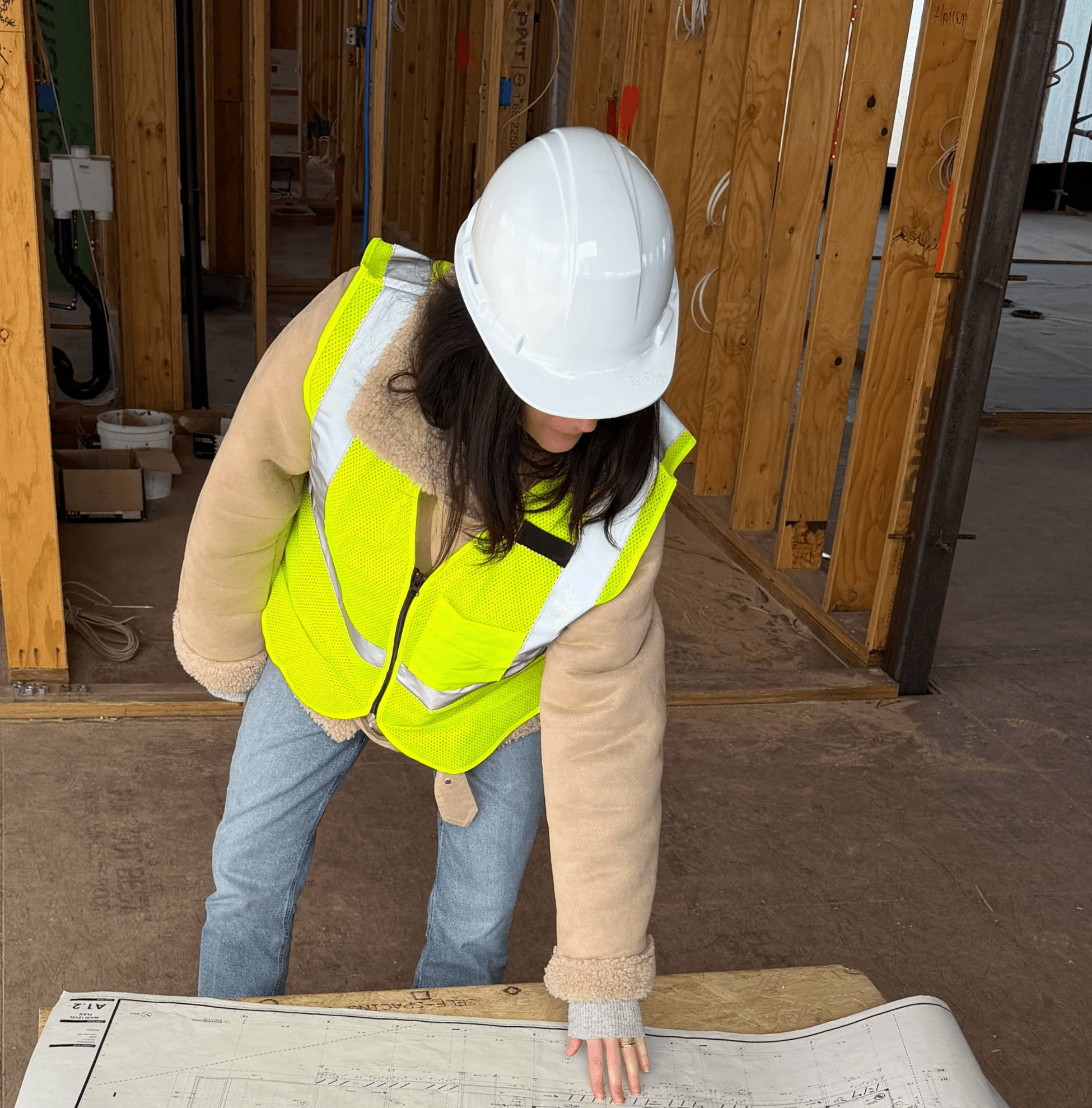
“We spend just as much time thinking about what happens behind the walls as what happens in front of them.”
The BTS of every space
Ventilation, drainage, waterproofing, servicing, temperature, and circulation may not appear in the final photographs, but they determine how well the space performs over time.
In that sense, luxury isn’t simply about what’s visible. It’s about how seamlessly everything works.
A Philosophy Shaped in Europe
Jennifer’s view of wellness changed while traveling throughout Europe.
There, she saw wellness treated less like an occasional indulgence and more like a natural part of everyday culture. Heat, water, rest, and social connection weren’t reserved for special occasions. They were woven into daily life.
“When I returned to North America, I saw an opportunity to bring that same philosophy here,” she says, “by creating spaces that encourage people to slow down, recover, and reconnect.”
That perspective naturally aligned with IDEA’s origins.
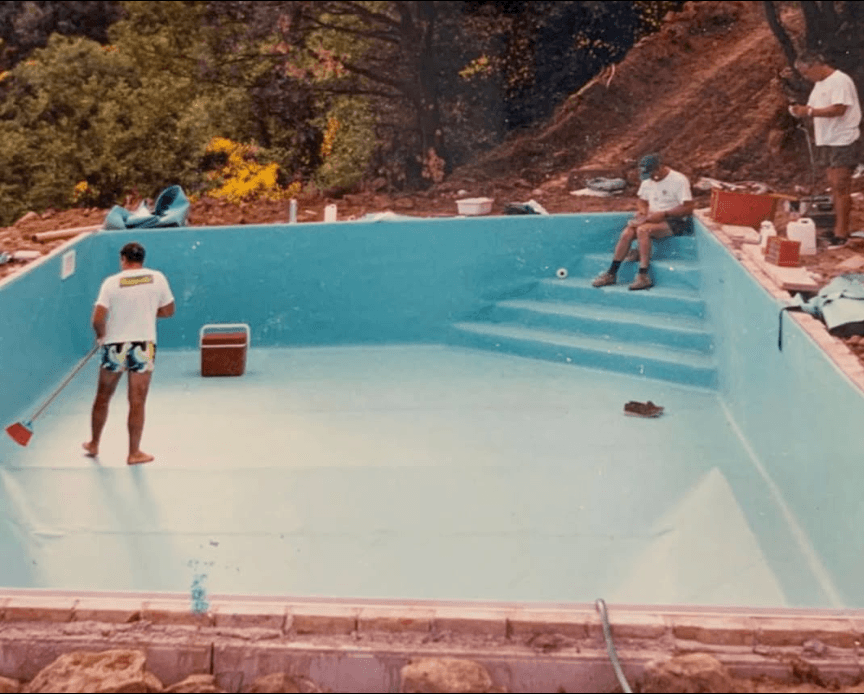
The company began in Italy in 1987 with a focus on craftsmanship and custom wellness design. Today, IDEA is carrying that legacy into North America by pairing European design principles with local knowledge and execution,
Italy, 1987
The goal isn’t to recreate a European spa in a different setting. It’s to interpret that philosophy in a way that feels true to each client, project, and place.
The Smallest Detail Can Make the Biggest Difference
One project, in particular, reinforced Jennifer’s belief in deeply personal design.
IDEA was creating a wellness space for a professional athlete whose recovery routine was directly connected to his career. Rather than relying on standard sauna dimensions, the team customized the benches around his height and proportions.
It was a subtle adjustment, but one that changed how his body fit and functioned within the room.
“It reminded me that thoughtful design isn’t about adding luxury,” Jennifer says. “It’s about creating something that genuinely improves someone’s everyday life.”
That detail captures IDEA’s broader approach. Personalization isn’t simply a choice of finishes or features. It’s designing around the body, habits, needs, and goals of the individual.
More Personal, Not Simply More
When asked to finish the sentence, “The future of wellness is…,” Jennifer doesn’t hesitate.
“More personal than ever.”
That future isn’t necessarily about creating bigger spas or installing more amenities. It’s about understanding people more closely.
For one person, wellness may mean a precisely designed recovery circuit. For another, it may be a quiet place to begin the morning. For a family, it could be a space that creates time together. For a hotel guest, it might be an experience that feels intuitive from the moment they enter.
The spaces may look different because the people using them are different.
And perhaps that’s the clearest measure of thoughtful wellness design: not how much a space contains, but how completely it feels like it was made for you.
The Wellness Blueprint explores the thinking, decisions, and details behind wellness environments that work as beautifully as they look. Subscribe for more thought pieces like this.
Explore More

Health Experiences Are the New Happy Hour
We design the contrast before we design anything else. Here's why.

Not All Saunas Are the Same: 5 Sauna Types Explained
We design the contrast before we design anything else. Here's why.
Beyond Amenities: Designing Wellness Spaces
We design the contrast before we design anything else. Here's why.